Updated on
Marathon Effect: How a Race Transforms Athletes, Cities and Communities
Co-Founder4 min read
The Marathon Effect goes far beyond the 42 kilometres. Major races transform athletes' routines, boost tourism and commerce, bring communities together and encourage new people to practice sports. More than a competition, the marathon creates experiences, stories and impacts that remain in the city even after the finish line.
In this article
Marathon Effect: How a Race Transforms Athletes, Cities, and Communities
The marathon effect starts long before the start line. And it continues after the last athlete crosses the finish.
Around the 42.195 km, there is a huge movement. Athletes, families, companies, and residents are part of it. Hotels, restaurants, shops, and services also feel this impact.
This movement can be called the marathon effect.
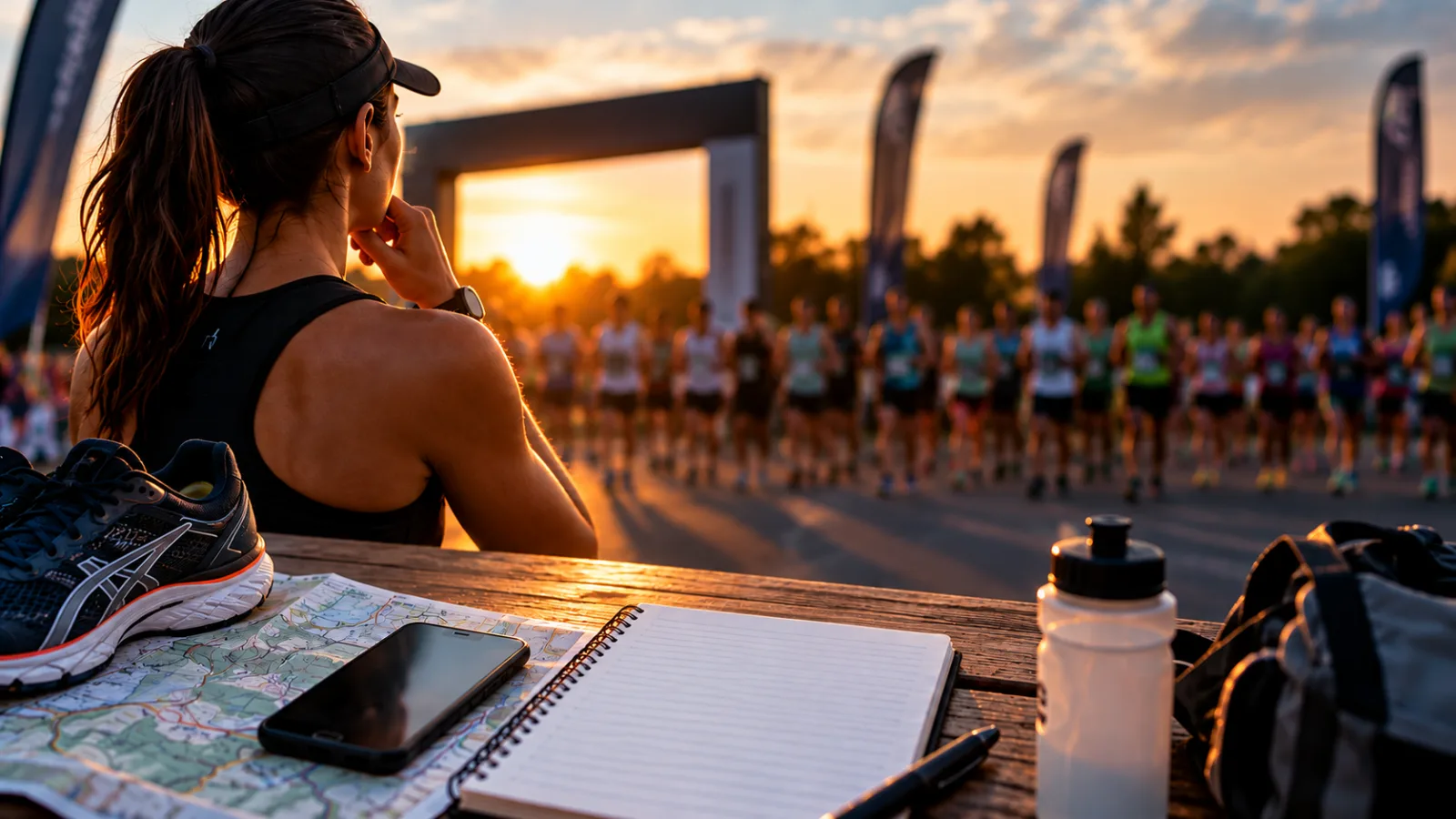
For the athlete, everything begins with a decision. He chooses to face a challenge that requires months of training.
From there, the routine changes. Training takes up space in the schedule. Sleep, nutrition, and timing also receive more attention.
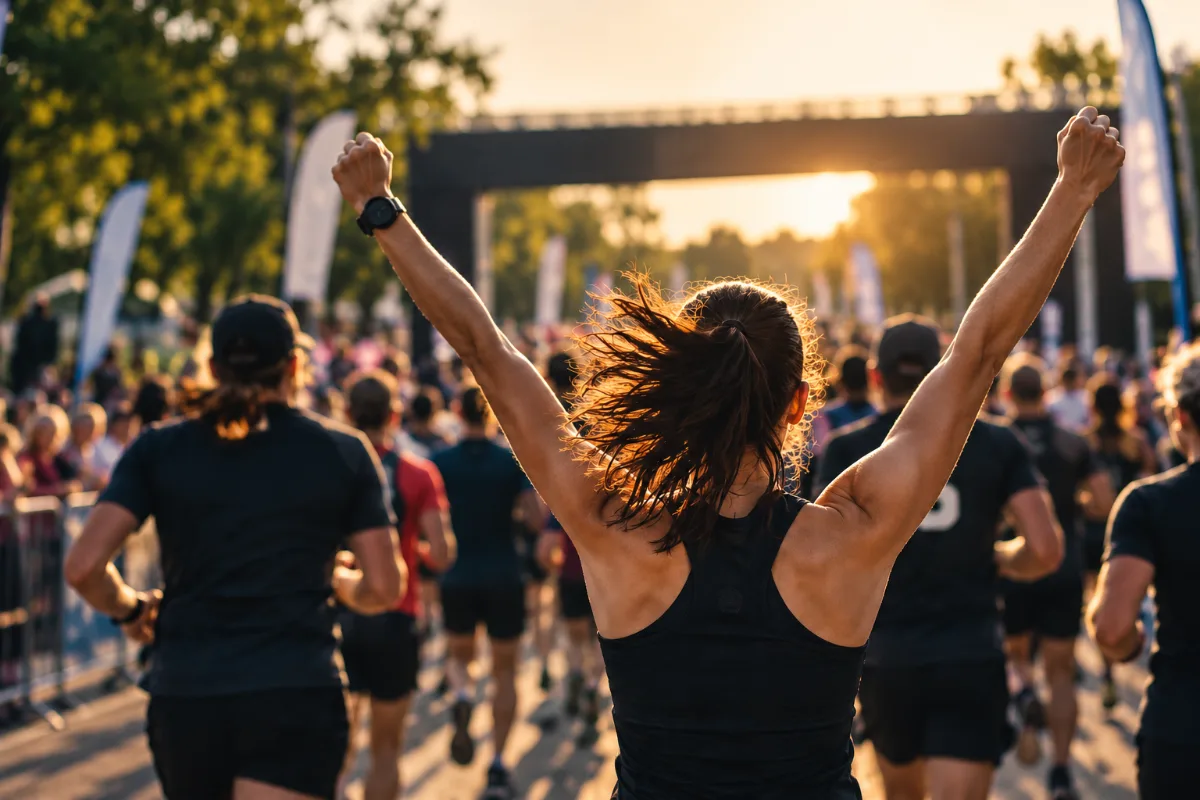
Therefore, completing a marathon is far beyond the 42 km. For many athletes, the finish line ends a journey that lasted months.
The marathon effect in athletes' lives
Training for a marathon requires organization.
The athlete needs to find time to run, rest, and eat well. Thus, preparation can change several daily habits.
Goals also help in this process.
First come the shorter runs. Then the distances increase. Gradually, the runner notices his progress.
This helps maintain motivation during the months of training.
Discipline can also appear in other areas of life. After all, following a plan demands focus, routine, and consistency.
After the race, many runners already start thinking about the next challenge.
What is the impact beyond the runners?
The marathon effect also reaches the city streets.
In the days before the race, the activity begins to grow.
- Hotels receive athletes from other cities;
- Restaurants serve more people;
- Sports stores get new customers;
- Transportation services see higher demand;
- Tourist spots welcome new visitors.
And there is another important factor: the athlete does not always travel alone.
Many runners bring family or friends. Others arrive with teams and running groups.
Thus, the number of visitors can be greater than the total number of registrants.
This audience spends in the city. They use transportation, buy products, eat at restaurants, and stay in hotels.
As a result, the race helps stimulate the local economy.
When the event attracts athletes from other states or countries, the effect can be even larger. The city gains new visitors and also more exposure.
Therefore, sport and tourism can walk hand in hand.
See also: [blog.windfit.app/maratona-economica] and [event.windfit.app/guia-cidades].
How does the whole city participate?
The marathon effect does not happen only among the athletes.
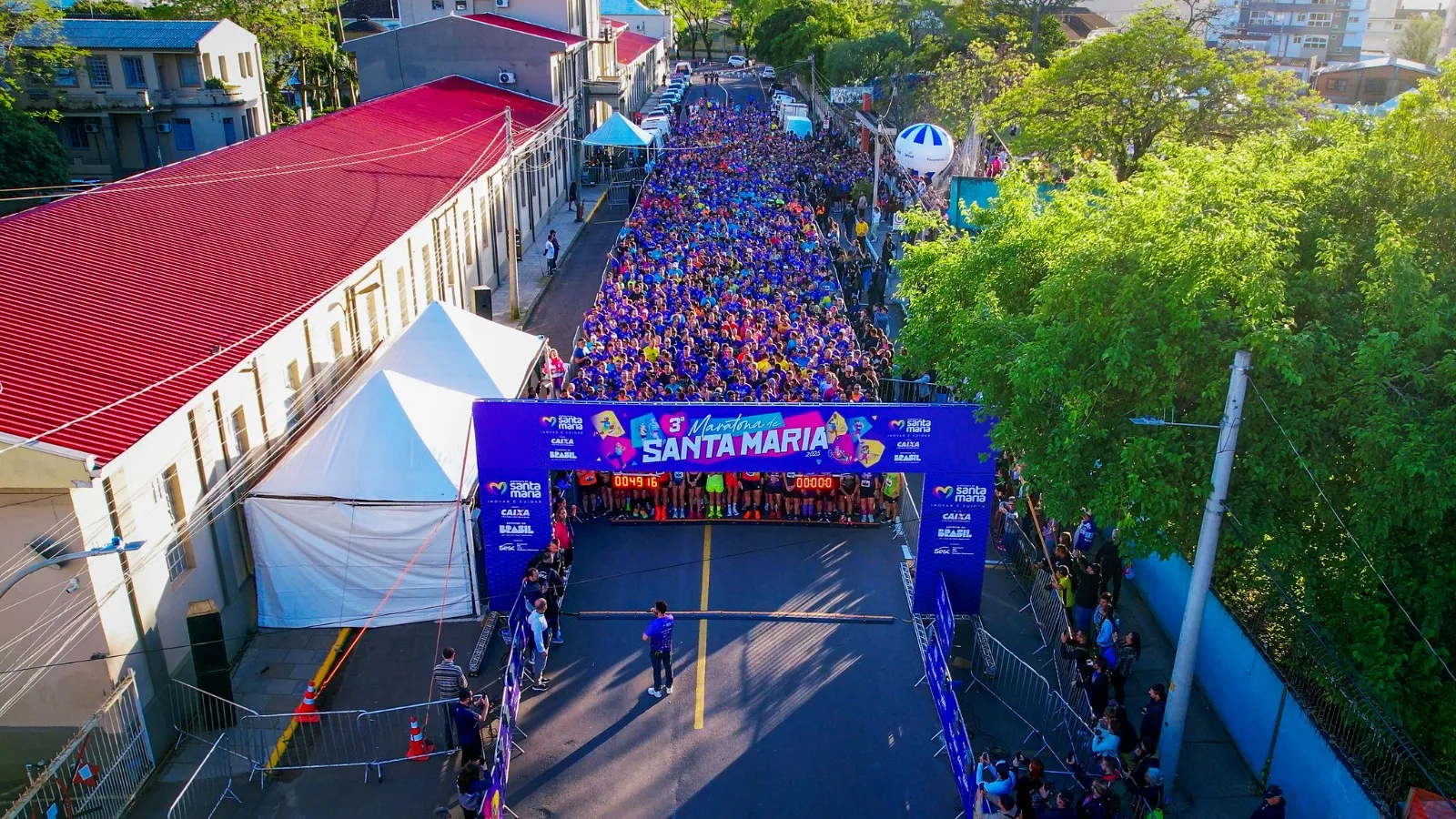
While some run, many people watch the race on the streets.
Residents leave their homes. Families take their children. Running groups set up support stations. Companies can also join the celebration.
Thus, the city becomes part of the race.
For the runner, this support makes a difference.
In the final kilometers, hearing his name can give the strength to keep going. An applause or a supportive phrase can also change that moment.
But the audience also feels the effect of the race.
Spectators may be inspired to start a sport. Often, the first step is a walk.
Then a 5‑km run may follow. Later, the 10 km. Next, perhaps a half marathon.
And one day, the 42 km.
In this way, a big race can also help create new runners.
What happens after the finish line?
The marathon does not end when the infrastructure is dismantled.
After the race, the stories continue.
Photos appear on social media. Runners comment on their times. Friends talk about the experience. Groups reminisce about the best moments.
And a new question quickly arises: what will be the next challenge?
Someone who ran his first marathon may want to repeat the experience.
Someone who did a 5 km may try the 10 km. And someone who watched the race may decide to start running.
Thus, the sports community grows.
Running groups receive new athletes. Sports professionals gain new students. And events begin to attract more people.
Therefore, the impact does not stop at the finish line.
Why does the marathon go far beyond the 42 kilometres?
The true marathon effect lies precisely in that.
A race can have thousands of registrants. Yet its impact reaches many more people.
The marathon involves athletes, families, teams, and residents.
It also moves hotels, restaurants, shops, and services. At the same time, it brings people to the streets and brings the city closer to sport.
Moreover, it can inspire new runners.
That’s why the medal is only part of the story.
A marathon does not transform only those who cross the finish line.
It can transform an entire city.
Frequently asked questions
How does marathon preparation affect quality of life?
The training routine usually improves sleep, nutrition and discipline, bringing benefits to overall health, as well as increasing energy and emotional well‑being.
What are the main economic benefits for the host city?
Higher hotel occupancy, increased activity in restaurants, sports‑goods stores and transport services are some of the positive impacts, generating revenue and temporary jobs.
How does the marathon encourage running among the local population?
By watching the race, many people get inspired and end up signing up for smaller runs, starting a healthy habit that can become part of their daily routine.
How can communities get involved before and during the race?
Volunteering, organising support groups on sidewalks and partnering with schools are effective ways to get involved, strengthening the bond between residents and the event.
What happens to the city's infrastructure after the event?
Improvements to roads, signage and leisure areas often remain, benefiting residents in the long term and encouraging outdoor activities.
Sources
- Effects of engaging in mass participation sporting events on physical activity behaviour, Health Promotion International / PubMed
- Economic Impact Study 2025, New York Road Runners (NYRR)
- City Marathon Events and Tourism Industry: A Quasi-Natural Experimen, SAGE Journals
About the author
Co-Founder