Updated on
Why do some races sell out quickly? 8 factors that generate demand
Co-Founder6 min read

Why do some sports events sell out in a few days while others take months to attract participants? Experience, community, reputation, communication, and ease of registration are among the factors that influence this demand. Understand what makes athletes decide to join an event and how organizers can strengthen their future editions.
In this article
Some races sell out quickly because they manage to combine several important factors. Good organization, positive experience, active community, and clear communication are among them.
Other races need months to fill the slots.
So, what explains this difference?
There isn’t a single answer. Demand is usually built over time.
What makes a race highly sought after?
A running or cycling race can gain momentum for several reasons.
The main ones are:
- good experience in previous editions;
- strong identity;
- active community;
- good reputation;
- limited batches and slots;
- frequent communication;
- good cost‑benefit;
- simple registration.
When these factors work together, the event becomes less dependent on ads.
The community itself starts helping with promotion.
How does a good experience make the athlete return?
The athlete’s experience is one of the most important aspects of a race.
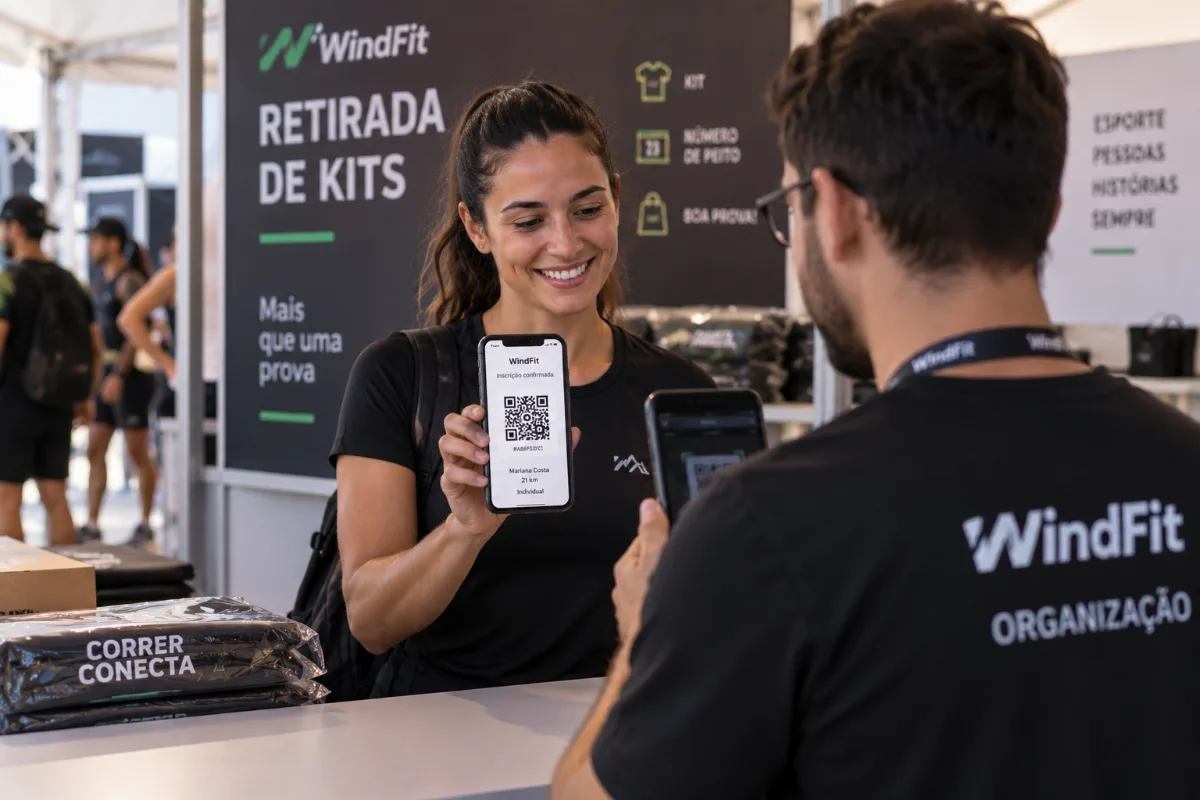
Well‑marked routes, hydration, organized kit delivery, and clear information make a difference.
A good experience also increases the likelihood that the athlete will come back.
In addition, they may recommend the event to friends, teams, and agencies.
Over time, this strengthens the race.
Why does previous experience influence new registrations?
Because the athlete wants to trust the organization.
Before paying, they try to understand whether the event delivers what it promises.
Photos, videos, results, and testimonials from other athletes help with that decision.
Why are races with an identity more memorable?
A race doesn’t need to be known only for its distance.
It can attract attention through the course, the city, the difficulty, the scenery, or tradition.
The medal and the kit can also help create that identity.
Some races become known for:
- challenging route;
- tourist destination;
- striking landscapes;
- strong community;
- distinctive medal;
- city tradition.
The easier it is to understand the race’s differentiator, the higher the chance it will be remembered.
How does the community help increase registrations?
Many athletes don’t choose a race on their own.
A friend invites another.
An agency puts the race on the calendar.
A team decides to travel together.
A cycling group picks the same challenge.
This behavior can generate new registrations naturally.
Therefore, teams, agencies, clubs, and local groups play an important role.
How does the community help a race grow?
It turns the race into a collective experience.
The athlete participates not only to compete.
They also want to meet friends, travel with the team, and share the challenge.
This strengthens the bond with the event.
Which factors influence demand the most?
| Factor | Impact on registrations | What to do |
|---|---|---|
| Experience | Increases confidence and return | Improve the athlete’s journey |
| Community | Generates referrals | Connect with teams and agencies |
| Identity | Differentiates the race | Create standout elements |
| Reputation | Reduces uncertainty | Keep information clear |
| Batches | Accelerates decisions | Set dates and prices |
| Communication | Keeps the race in focus | Publish throughout the registration period |
| Perceived value | Helps the decision | Show what the registration delivers |
| Simple registration | Reduces drop‑off | Make sign‑up and payment easy |
None of these factors works alone.
The strongest events usually combine several of them.
How do batches help the athlete decide?
Many athletes follow a race before they register.
At that moment, batches can help.
If the athlete knows the price will change, they have a reason to decide sooner.
The same happens when there are few slots left.
But the rule must be clear.
Dates, prices, and limits should be visible to everyone.
Do batches make a race sell out?
Not by themselves.
Batches work best when there is already interest in the event.
They help turn interest into registration.
Why does frequent communication keep the race in the spotlight?
Promotion should not happen only close to the start.
Ideally, you stay in touch with athletes throughout the whole registration period.
The organizer can share:
- opening of registrations;
- route;
- elevation profile;
- medal;
- jersey;
- kit;
- sponsors;
- confirmed athletes;
- behind‑the‑scenes;
- preparation tips;
- city attractions;
- batch changes;
- remaining slots.
Each update creates a new chance to catch the athlete’s attention.
It also keeps the race present in memory.
How does reputation increase confidence?
Athletes usually pay the entry fee weeks or months before the race.
Therefore, confidence is crucial.
A clear website helps.
An easy‑to‑find rulebook also helps.
Previous results, official channels, and quick responses provide more security.
The higher the confidence, the lower the doubt before registration.
What does the athlete evaluate besides price?
Price matters.
But it doesn’t decide everything.
The athlete also evaluates the experience they will receive.
Some points weigh heavily in that decision:
- organization;
- safety;
- route;
- timing;
- hydration;
- jersey;
- medal;
- facilities;
- location;
- reputation.
Two races with the same price can have very different perceived values.
Therefore, the organizer needs to show what makes their event special.
How does a simple registration reduce abandonment?
The athlete has decided to participate.
Now the process needs to be easy.
Long forms can get in the way.
Hidden information can also hinder.
Payment problems can make the athlete quit.
The race page should clearly display:
- date;
- location;
- distances;
- categories;
- fees;
- batches;
- rulebook;
- kit;
- payment methods.
The process must also work well on mobile.
Many athletes reach the page via social media, messages, or groups.
The shorter the path between decision and payment, the better.
How to know if a race is generating demand?
The organizer doesn’t need to wait until registrations close.
The data already show how the race is performing.
Some important indicators are:
- registrations per day;
- registrations per week;
- batch speed;
- most sought‑after categories;
- most searched distances;
- athletes’ origin;
- new participants;
- recurring athletes;
- payment methods;
- page conversion.
This information helps during the sale and also aids planning the next edition.
How to increase race registrations?
The first step is to think beyond promotion.
A strong race must deliver a good experience and also build a relationship with athletes.
Communication, trust, and ease of registration are part of this process.
A good edition helps the next one.
Over time, the event can create a base of athletes who wait for the registration opening.
When does a race start to sell out?
A race rarely sells out because of a single post.
Demand is built.
Good experience generates recommendation.
Recommendation generates trust.
Communication generates interest.
Community expands reach.
Batches help the decision.
Simple registration turns interest into participation.
When this happens across several editions, the event gains strength.
And athletes’ questions start to change.
Instead of:
“Will I participate?”
They begin to ask:
“When do registrations open?”
What are the main doubts about races that sell out quickly?
Why do some races sell out quickly?
Some races sell out quickly because they combine a good reputation, positive experience, active community, frequent communication, and limited slots.
What makes a race highly sought after?
Experience, reputation, community, course, organization, price, and ease of registration are among the main factors.
Do batches help increase registrations?
Yes. They can accelerate the decision when the athlete is already interested in the race. A price change or a limited‑slot threshold creates a reason to sign up early.
How to increase race registrations?
Improve the experience, communicate the differentiators, engage the community, and simplify the registration. It’s also worth monitoring the data throughout the entire sales period.
What does an athlete evaluate before registering?
Distance, course, price, location, kit, medal, safety, organization, and reputation usually weigh in the decision.
Frequently asked questions
How does the experience of past editions influence new registrations?
A positive experience in previous editions builds trust in the athlete, who comes to believe that the organization will deliver everything promised, such as a well‑marked course, adequate hydration, and kit delivery, increasing the chance of re‑registration and recommendation to friends.
Why does having a unique identity help make the race more memorable?
A strong identity — such as a challenging course, striking scenery, coveted medal, or local tradition — differentiates the race on the calendar and makes it easier for the athlete to explain why that event is special, strengthening the brand and attracting more participants.
How do sports communities increase demand for a race?
Sports communities, agencies, clubs, and training groups multiply demand because each registration can generate others, turning the event into a collective experience and expanding its reach organically.
How do limited batches and slots help accelerate registrations?
Limited‑slot batches or price changes create urgency, prompting the athlete to decide before the opportunity disappears; however, this strategy only works when there is already prior interest in the event.
What is the importance of constant communication during the registration period?
Continuous communication over months — showcasing the course, kit, medal, results, tips, and remaining slots — keeps the race present in the athlete’s mind, generating touchpoints that facilitate the registration decision.
Sources
- An assessment of the factors influencing loyalty among active sport event tourists: The case of Mallorca 312 in Spain, International Journal of Tourism Research / Wiley
- Scarcity tactics in marketing: A meta-analysis of product scarcity effects on consumer purchase intentions, Journal of Retailing / Elsevier
- The Effects of Social Media on Sporting Event Satisfaction and Word of Mouth Communication, Information / MDPI
- The impact of sports event brand experience on spectator loyalty, Scientific Reports / Nature Portfolio
About the author
Co-Founder